
MISSION
To conduct independent scientific research regarding the development and impact of data centers across the United States and to provide educational resources to all stakeholders—including communities, businesses, and governing bodies—regarding the social, environmental, and economic impacts of such projects. By providing data-driven research and analytical tools, the organization empowers stakeholders to make informed decisions throughout the evaluation and monitoring of proposed and existing data center infrastructure.
ORIGIN STORY
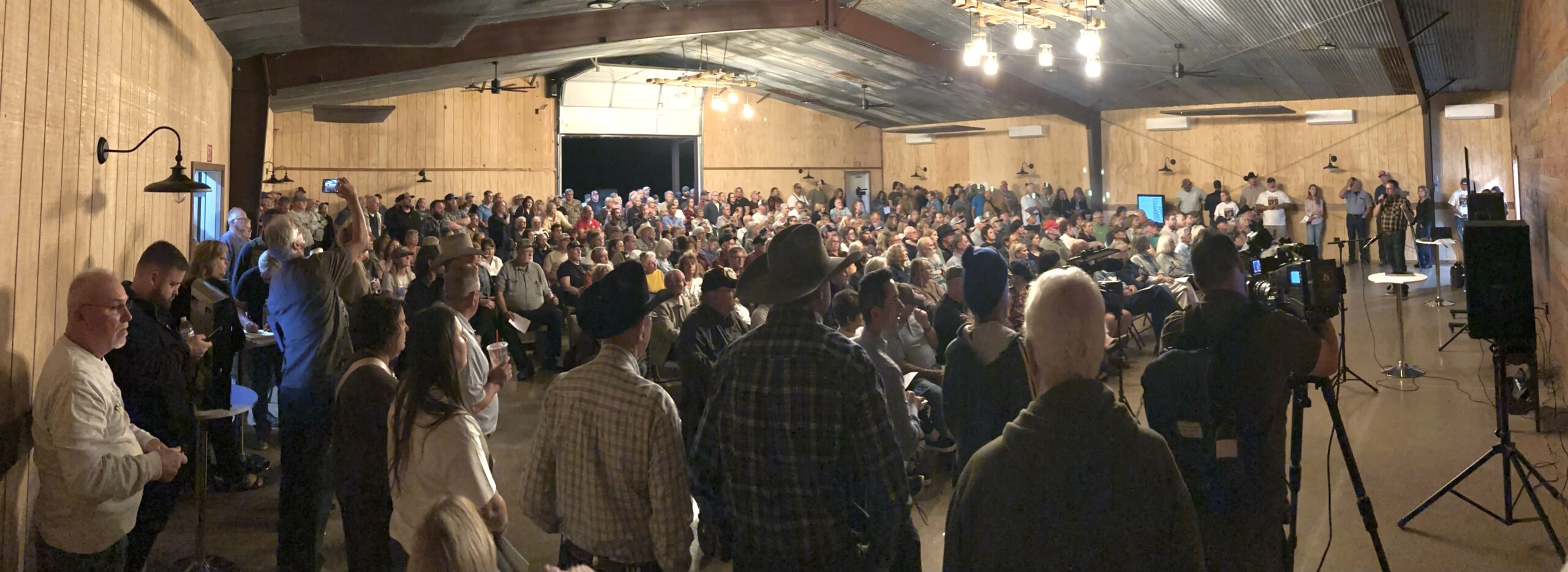
In the middle of November 2025, the rural area known as the Rock Community about 5 miles north of Sand Springs, OK were notified that an 827 acre ranch that had been quietly annexed into the city limits was being proposed to be rezoned as a light industrial park for the purpose of becoming a hyperscale data center.
This story was not unique. Hundreds of other small rural farming communities across the United States were waking up one day to find themselves fighting a giant that many didn't know existed. They quickly ran to the internet and started searching for answers and tools to help them protect their peaceful way of life. They showed up at city hall meetings holding stacks of paper containing a mashup of various facts and anecdotes. They hoped beyond hope to change the minds of city councilors and planners that had their minds made up long ago based on the loose commitments and vague assertions of data center developers and operators.
It became quickly and painfully apparent that there was no single resource that these citizens and local governing bodies could seek out for reliable data and tools. There were plenty of environmental and social organizations that each had pieces of a puzzle, but every community had to start their fight from scratch. They held meetings, created slideshows, handed out flyers, and signed petitions; but it all had to be created from scratch which took time and valuable resources that could have been spent better if there had only been a database and repository of these tools at the ready for them to use.
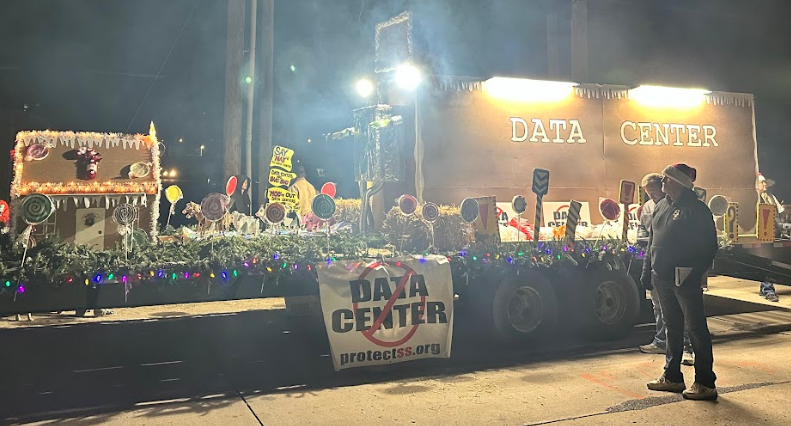

Thus, the early visions of a solution began percolating and over the next several weeks it transformed from a loose concept to the framework for The Data Center Policy Institute. In the interest of arming citizens with tools and knowledge to give them a head start in their pushback against irresponsible data center development we built a team and a system whereby we provide them and their local leaders with independent research, scholarly sourced data, and premade tools such as guides, slide shows, flyers, and more. We are taking it a step further by offering training and workshops for municipal governing bodies to educate them about data centers and their potential impacts, both good and bad.
Most importantly, we are building a team of scientists and experts from all fields impacted by data center development to develop a proprietary rating system that grades the overall impact of a proposed data center development specific to that community that empowers the citizens and leaders in their negotiations to ensure the best possible solution for all stakeholders in social, environmental, and economic outcomes.